Our story
It started with Alfie.
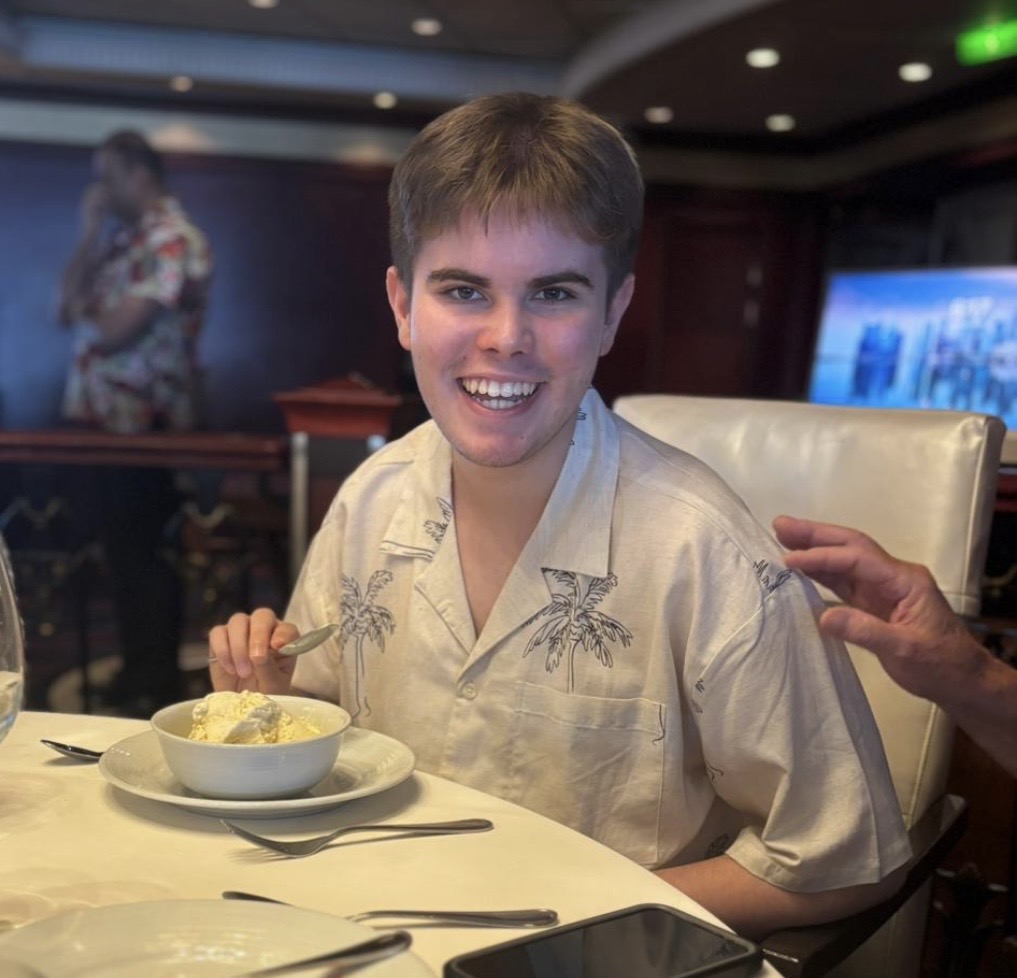
Alfergy is named after Alfie, the founder's son. He has anaphylactic food allergies, and eating out with him as a family meant the same script every time — a laminated allergen folder dropped at the table, dozens of columns and tiny print, an awkward back-and-forth with a server who disappeared and came back unsure, and a final choice between plain chicken and a salad. The joy of ordering something exciting was gone before the meal began.
One restaurant did something different. We'd called and emailed in advance about Alfie's sesame allergy. When we arrived, they had placed a printed menu on the table with his name on it, marking out the dishes he could have, the ones the kitchen could adapt, and the ones off-limits. He felt seen. We felt calm. The meal started before the meal started.
That's the moment Alfergy is built around. Not the technology. Not the dashboard. The moment a diner with allergies sits down and realises someone took the time. The pre-order is half the value. The printed menu on the table — with their name, their allergens already known, their dishes already chosen — is the other half, and arguably the more important one because it's the part the diner sees with their own eyes.
Software won't fix the trust gap on its own. People who live with allergies don't relax because the app was clean. They relax when the staff visibly know who they are, what they're allergic to, and what they can eat — before the conversation starts. Alfergy is built to make that easy for restaurants, and to give the diner the calmest possible arrival.
We're starting with UK restaurants who care enough to put the work in, who'll review every dish against every allergen, sign off on the data in their own name, and earn the Alfergy Approved mark by being honest. We'll grow from there.
— Ben Smith, founder